You'll see just how careful research study, architects near me matched products, and reversible interventions allow old structures inform their tales while handling brand-new uses. Henson's projects stabilize craft-led repair work with modern-day systems and code needs, and every decision is documented and warranted. If you desire practical techniques for saving joinery, matching mortar, and browsing stakeholders-- in addition to clear examples of when to preserve versus adjust-- underpinning in building construction Henson Architecture you'll find ideas that transform exactly how you come close to historic work.Principles of Delicate Reconstruction When you come close to a repair, prioritize the structure's tale over stylistic fads: evaluate original products, structural logic, and historic layers so treatments support authenticity rather than overwrite it.You'll use architecture as a device to review textile, combining visual assessment with forensic investigation to map decay and previous repairs.You'll respect the facade rhythm, matching mortar, profile, and finish so new work recedes.Engage with landmarks bodies-- fresh york landmarks conservancy
-- very early to straighten requirements and approvals.Treat each landmark as special: solutions on Broad Street will not simply duplicate elsewhere.You'll balance preservation with innovation, presenting modern-day systems subtly to maintain usage while maintaining historic character legible for future stewards and the public.Research and Historical Documentation Practices Because a structure's past shapes every preservation choice, you'll start study by constructing a clear docudrama base: initial drawings, allows, historic photos, maps, and previous condition reports.You'll cross-reference historical sources with municipal records and oral histories to confirm chronology, changes, and original intent.You'll record searchings for in a standard report that includes annotated pictures, measured drawings, and a clear declaration of significance.You'll utilize this proof to set conservation priorities, warrant interventions, and overview
stakeholders with clear decision-making. You'll likewise record investigative approaches and sources so future teams can verify choices.Craftsmanship and Material Preservation Techniques Beginning by acknowledging that experienced hands and proper materials are the keystones of durable preservation: you'll examine initial material, magazine joinery, coatings, and tool marks, and focus on repair services that preserve as much historical material as possible.You'll pick compatible mortars, timber species, and steel alloys that match physical and visual homes, staying clear of contemporary replacements that cause anxiety or sped up decay.You'll document stablizing, consolidation, and in-kind substitute techniques so interventions are relatively easy to fix and readable.You'll use conventional joinery, soft-lime mortars, breathability-focused finishes, and customized rust control to regard structure physics.You'll educate craft teams on gauged treatments, test mockups, and phased implementation to make certain craftsmanship durability while keeping the structure's personality
and aging for future generations. Navigating Preservation Regulations and Stakeholder Partnership Although policies can feel stiff, you'll find that clear documents and early stakeholder engagement turn conformity into a collective tool rather than an obstacle.You'll map relevant codes, preservation ordinances, and grant problems in advance, so evaluation cycles move faster and unexpected expenses shrink.You'll establish normal touchpoints with preservation policemans, area teams, and funders to deal with issues before they escalate.You'll make use of succinct reports, annotated drawings, and precedent studies to justify treatments and rate approvals.When conflicts occur, you'll regulate evidence-based trade-offs that respect historic integrity while fulfilling safety and availability requirements.You'll record approvals and conditions thoroughly, creating a record that secures the task and help future caretakers.This process reduces hold-ups and constructs common possession of outcomes.Adapting Historical Rooms for Contemporary Use You'll reimagine historic spaces so they offer today's demands while keeping the personality that makes them unique. You'll evaluate original materials, structural
bones, and spatial rhythms to choose what stays, what adapts, and what's changed. You'll weave modern systems-- HVAC, accessibility, technology-- into existing textile with marginal aesthetic influence. You'll respect sightlines and landmark attributes
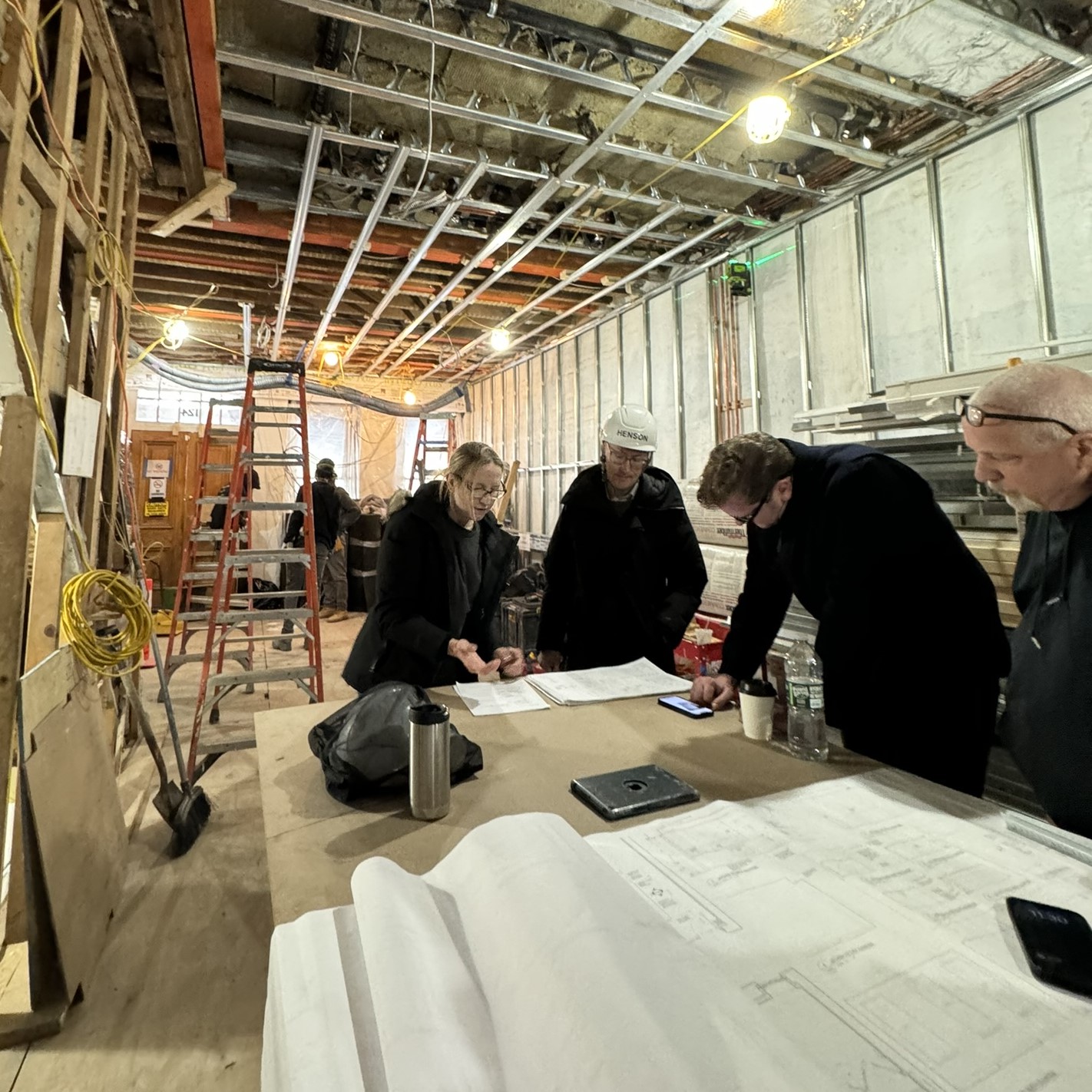
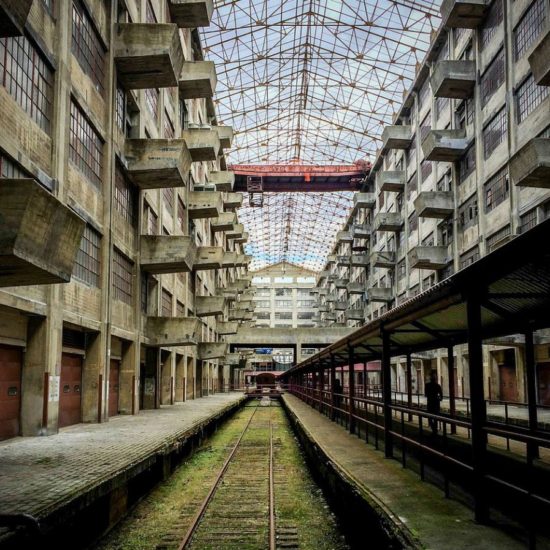

, making use of interventions that check out as modern however deferential. You'll balance code conformity with creative analytic, safeguarding authorizations through clear documentation and precedent-driven disagreements. You'll produce flexible layouts that fit brand-new uses without erasing history, from lofted workplaces to public centers. You'll work together with craftsmens, designers, and preservationists
to deliver rooms that really feel authentic,
practical, and future-ready. Verdict You've seen just how sensitive repair equilibriums respect for history with modern requirements. By researching archives, matching materials and mortar accounts, conserving joinery, and using reversible treatments, you preserve a structure's story while making it helpful today. You'll navigate policies and stakeholders through clear documentation and craft-led mockups, guaranteeing decisions are warranted and resistant. Ultimately, you maintain personality clear, let brand-new systems take a breath silently into old fabric, and offer historical areas restored purpose.
Name: Henson Architecture
Address: 27 W 20th St #1201, New York, NY 10011
Phone: (212) 995-2464
Website: https://www.hensonarchitect.com/